This week is deferred NAIDOC week (usually it is in July), a week founded on political action by our First Nation peoples.
NAIDOC week began way back in the 1930s … when a Day of Mourning protest was held on Australia Day in Sydney. This protest formalised years of Aboriginal rights groups boycotting Australia Day to highlight the shameful status and treatment of Indigenous Australians.
After the Day of Mourning, there was a growing feeling that it should be a regular event. In 1939 William Cooper who was the founder of the Aboriginal Advancement League, wrote to the National Missionary Council of Australia to seek their assistance in supporting and promoting an annual event.
From 1940 until 1955, the Day of Mourning was held annually on the Sunday before Australia Day and was known as Aborigines Day. In 1955 Aborigines Day was shifted to the first Sunday in July after it was decided the day should become not simply a protest day but also a celebration of Aboriginal culture.
It then evolved into NADOC and then NAIDOC week. NAIDOC stands for National Aborigines and Islanders Day Observance Committee.
For those of us in the Federal seat of Cooper we have a special connection to this day as much of the early political action was led by our seat’s namesake, William Cooper.
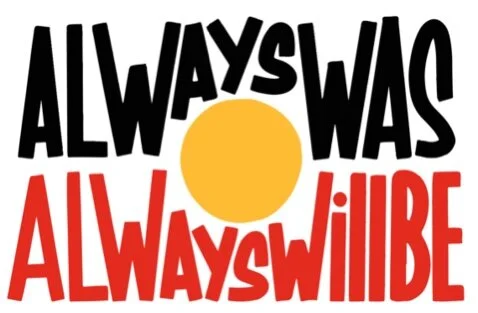
The theme for NAIDOC week this year is
Always Was, Always Will Be.
This statement acknowledges Australia’s First Nation peoples 65,000+ years connection to country, it celebrates their status as the longest ongoing living culture in the world, and it recognises that they never ceded sovereignty.
If you are keen to learn more, local Sarah helpfully sent us a NAIDOC week resource pack to share, with links to recent interesting articles, books, TV shows, movies and websites. Thanks Sarah.
ARTICLES
BOOKS
The Yield by Tara June Winch. Wiradjuri woman and author Tara June Winch received the Miles Franklin Award this year for her novel The Yield which is about colonial violence, trauma across generations and damage to the environment. It also celebrates the resurgence of her group’s language, Wiradjuri.
Films/Videos
In My Blood It Runs - a beautiful, thought provoking film available on ABC iView for 30 days from November. Ten-year-old Dujuan is a child-healer, a good hunter and speaks three languages. As he shares his wisdom of history and the complex world around him, we see his spark and intelligence. Yet Dujuan is ‘failing’ in school and facing increasing scrutiny from welfare and the police. As he travels perilously close to incarceration, his family fight to give him a strong Arrernte education alongside his western education lest he becomes another statistic. We walk with him as he grapples with these pressures, shares his truths and somewhere in-between finds space to dream, imagine and hope for his future self.
Baykeepers: Time of Chaos - humans have long been entrusted to protect Nairm (Port Phillip Bay). N'arweet Carolyn Briggs, Boon Wurrung Elder, shares the Time of Chaos story which tells how Nairm was formed and why we must continue to protect it.
Short Film Collections here and here.
Songlines on Screen - a collaboration between Screen Australia and NITV that presents eight short films from the remote regions of Western, Northern and Central Australia. These films represent Aboriginal people's ongoing connection to land and culture as told throughout time by the way of creation songs.
Always will be - NITV
Other resources
Aboriginal Seasonal Calendar for the Melbourne Area
Lists of Victorian Aboriginal businesses/ certified indigenous businesses - Kinaway (Victorian) or Supply Nation.
Once as it was - an ' A1 poster showing the ancestral family estates of Melbourne's First People. It features information on pre-colonial areas around the Bay, such as Birrarung River and Point Ormond, with cultural approvals by Arweet Carolyn Briggs. You can purchase it here.
Check out Indigenous X here - creating a media landscape where Indigenous people can share their knowledge, opinions and experiences with a wide audience across the world.
Find out about Australian Indigenous astronomy here.
The Living Knowledge Place is a community based education site that showcases living knowledge content for education and wellbeing purposes. Developed from Indigenous teaching methods and practices the site is based on the community being the content.
Common Ground - records and shares First Nations cultures, histories and lived experiences. To help Australians see the value of Aboriginal and Torres Strait Islander cultures through providing access to stories and knowledge that will help bridge gaps in knowledge. Common Ground is designed to build a foundational level of knowledge for all Australians, and be a go to resource for those wanting to learn more and connect with our First Peoples.